 8.7
8.7 vs Indiana Jones and the Great Circle
Two licensed stealth-adventure games with identical 16-hour campaigns and 8.7/10 verdicts — the real choice is Bond's corridor pressure versus Indy's first-person disguise sandboxes.
Head to head
Trying to choose between two games? These side-by-side guides break down what is different, who each one is for, and which to pick right now. 234 matchups across 94 games — jump to any game below.
8.7 Two licensed stealth-adventure games with identical 16-hour campaigns and 8.7/10 verdicts — the real choice is Bond's corridor pressure versus Indy's first-person disguise sandboxes.
 7.4
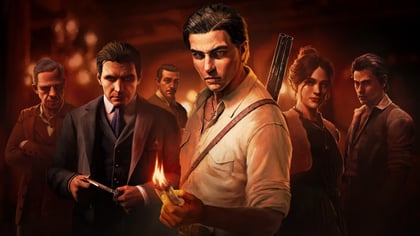
7.4 Two linear crime stories, but only one could keep most of its players after launch — and that split decides who should play which.
 8.5
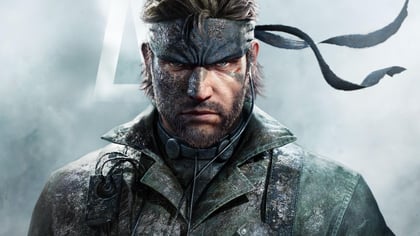
8.5 Both are stealth-action origin stories, but only one asks you to earn your license through patience rather than nostalgia.
 8.3
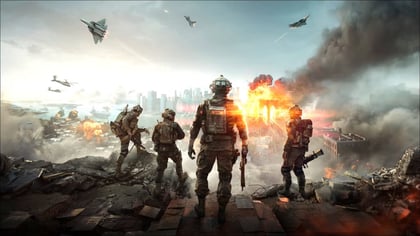
8.3 Choose ARC Raiders for sustainable co-op extraction, or Battlefield 6 for nostalgic 64-player arcade warfare — each demands different patience.
 8.0
8.0 Choose ARC Raiders for a live-service extraction grind, or Nightreign for tight 40-minute co-op runs — the real split is patience vs. pacing.
 8.3
8.3 Choose between ARC Raiders' tense PvE extraction and Helldivers 2's chaotic 4-player co-op—each demands a different squad mindset.
 8.1
8.1 Two extractions shooters let you choose: ARC Raiders' co-op PvE vs Marathon's PvPvE with that Bungie gunfeel.
 9.1
9.1 Extraction shooter with adjustable difficulty versus a co-op-only adventure that demands a partner — how much time and who you play with decide the winner.
 8.1
8.1 Refined pirate nostalgia versus a live-service-style Japan — which Ubisoft open world fits your patience for DLC and login screens?
 8.7
8.7 A faithful pirate remake versus a bigger, blunter samurai sequel — your tolerance for recycled structure and bugs decides this one.
8.7 A faithful pirate remake versus a first-person Indy adventure — both lean on nostalgia, but they ask for different patience and hardware.
 8.9
8.9 Two pirate-and-peasant adventures ask you to pick between faithful comfort and punishing historical simulation.
7.4 A faithful pirate remake with ongoing support versus a tightly paced Sicilian mob story — pick by how much time and tolerance for storefront extras you bring.
 8.5
8.5 Refined pirate nostalgia versus a live-service-style Japan — which Ubisoft open world fits your patience for DLC and login screens?
 8.7
8.7 Feudal Japan assassin fantasy versus Capcom's pawn-driven adventure — both reward patience, but they test it in very different ways.
8.7 Ubisoft's stealth fantasy versus Sucker Punch's action sequel — one trusts your assassin kit, the other trusts your sword arm.
8.9 Feudal Japan's stealth fantasy versus Bohemia's grounded realism—choose by pacing, not polish.
 8.7
8.7 Sony polish versus off-the-rails trick chaos — pick by how much friction you want in your jump.
 8.4
8.4 Tactile PlayStation platforming versus brick-based Batman collecting — the choice depends on whether you want DualSense gimmicks or co-op comic deep cuts.
 8.7
8.7 Astro Bot's DualSense magic versus Lost Crown's metroidvania flow — pick your platforming poison.

Two RPGs diverging on world density and choice impact — Avowed's lean 20-hour tour versus Cyberpunk's 26-hour story and sprawling Night City backdrop.
 8.0
8.0 Choose Avowed for spell-slinging freedom, or Veilguard for action combat — but pick Veilguard if you insist on reactive companions.
8.7 One gives you a spellcasting power fantasy in a first-person tour of Eora, the other hands you Indy's whip and a disguise-based stealth loop — different fantasies, different patience requirements.
8.9 Both are 2025 first-person RPGs, but only one rewards your patience with density instead of empty space.
 8.4
8.4 First-person spell flinging versus ship builder sandbox — pick which fantasy you want to live.
 8.0
8.0 Two eight-out-of-ten RPGs diverge on world design: Avowed's sparse exploration versus Elliot's dense, puzzle-filled homage — pick by your patience for empty spaces.
 8.2
8.2 Obsidian's packed first-person RPG versus Bethesda's faithful remaster — pick your flavor of fantasy freedom.
 8.3
8.3 Both dive into Obsidian's worldbuilding, but Avowed's empty maps versus TOW2's sharper satire make for a stark choice.
 9.4
9.4 Poker-powered deck mastery versus witchcraft-paced combat — pick the loop that matches your patience.
 8.3
8.3 Poker-roguelike ADD versus hex-and-counter strategy — pick your poison based on patience for RNG and session length.
 8.9
8.9 Choose between Balatro's tight 8-hour poker loop and Mewgenics' sprawling 76-hour cat genetics grind.
 8.9
8.9 Pick Balatro for a tight, polished roguelike loop; choose Slay the Spire 2 if co-op and fresh cards matter more than polish.
 8.5
8.5 Fast, cheap deck-building runs versus deliberate tactical campaigns — pick your pacing, not your genre.
 9.2
9.2 Choose between a 73-hour branching epic and a 29-hour parry-driven RPG — time and tactical taste decide the winner.
8.0 One rewards flexible tactical depth with 97% Steam approval; the other courts action fans but holds a 68% score.
 9.3
9.3 Massive turn-based freedom versus a tight calendar-driven fantasy — both demand 65+ hours, but they reward very different players.
 9.3
9.3 Choose between a sprawling D&D epic and a tighter monster-hunting saga—both are long, but they reward different kinds of commitment.
 8.7
8.7 Choose ARC Raiders for sustainable co-op extraction, or Battlefield 6 for nostalgic 64-player arcade warfare — each demands different patience.
 8.6
8.6 The choice is between chaotic 64-player warfare and a slower, parry-heavy solo campaign — each asks different patience levels.
8.3 Choose between infantry chaos and squad co-op — one rewards battlefield instincts, the other rewards teamwork.
8.1 Battlefield's 64-player chaos versus Marathon's tactical extraction — one rewards your reflexes, the other your patience.
 7.8
7.8 Pick the arcade squad shooter for a 6-hour tour or the free-to-play hero duel for 18 hours of team-ups.
 8.1
8.1 Arcade squad chaos versus PvE horde catharsis — choose your multiplayer loyalty.
 8.5
8.5 A vocal co-op test of friendship versus a solo, three-hour 90s mixtape — the choice is whether you want to play with someone or just watch.
 8.2
8.2 Both are 2026 adventure games, but one demands a talking partner while the other asks only for six quiet hours alone.
9.1 Both force you to talk to a partner, but one rewards patience with puzzles while the other throws a new mechanic every ten minutes.
8.7 Two 2024 action RPGs, but the real choice is boss-rush precision versus open-world chaos with pawns by your side.
 9.4
9.4 Wukong tests your reflexes in a boss gauntlet; Erdtree trusts you to wander and explore.
 8.7
8.7 Both demand 38 hours and boss patience, but Wukong's boss gauntlet outnumbers XVI's spectacle by a mile.
8.7 Boss-rush brutality versus open-world samurai spectacle — pick the grind you'll enjoy.
 8.1
8.1 Sekiro-style boss gauntlets versus a co-op grind — Wukong demands mastery, Relink rewards return visits.
 7.9
7.9 A 38-hour mythological boss rush versus a 22-hour gore-soaked brawler — the choice hinges on whether you want Sekiro homework or a short power fantasy.
 8.9
8.9 Boss-rush mythology versus seamless hunting — one demands Sekiro-level patience, the other just needs a few patches.
 8.3
8.3 Both ask you to die and retry against mythic bosses, but Wukong demands Sekiro-level patience over 38 hours while Mortal Shell II's 79% review score reflects launch bugs.
 8.5
8.5 Both deliver punishing boss fights, but Wukong's mythology and spectacle face Nioh 3's mechanically sharpest stance combat.
 8.6
8.6 Boss-rush pacing versus parry-duel discipline — both demand mastery, but reward different reflexes.
 8.1
8.1 Both demand Sekiro-grade patience, but Wukong's 80+ boss gauntlet dwarfs Stellar Blade's tight 23-hour parry arc.
 9.6
9.6 Choose between a 73-hour branching epic and a 29-hour parry-driven RPG — time and tactical taste decide the winner.
8.0 Facing a single doomed quest versus reshaping a world—your patience for reactive combat and story rigidity will pick for you.
 9.2
9.2 Reactive turn-based survival versus a sprawling open-world continuation — the choice is linear story or endless side content.
8.7 Turn-based with reactive dodges versus flashy character action — but only one got its most recent patch this year.
9.3 Expedition 33's 29-hour reactive turn-based drama versus Metaphor's 65-hour calendar-driven fantasy — pick your commitment level.
 8.7
8.7 One is a 29-hour directed tragedy; the other is a 65-hour calendar grind — pick the one that fits your schedule and mood.
8.7 Two open-world action RPGs, but Crimson Desert rewards 64-hour exploration while Dragon's Dogma 2 tests your tolerance for quirks.
9.4 Both are open-world action-RPGs with brutal combat, but only one asks you to finish its base game first — and they differ sharply in how much patience you'll spend.
8.7 A 300-hour open-world grind versus a focused revenge tale — both swing swords, but only one respects your time budget.
8.9 Vast combat playground or dense medieval simulation — pick Crimson Desert for spectacle, KCD2 for character.
8.0 Choose corridor survival horror with tight resource management or co-op roguelike action with short, replayable runs.
8.7 Horror corridor tension versus stylish action spectacle — pick by whether you hoard bullets or chain combos.
 8.0
8.0 Bio-medical corridor horror vs grim co-op fairy tale — two short scares, but they reward different kinds of patience.
 9.2
9.2 Corridor horror with bullet scarcity versus action-horror with parry timing — pick by how you want to fight for survival.
 8.7
8.7 Same studio, same corridor dread — but Silent Hill 2's slower psychological horror outclasses Cronos's horde-shooter combat.
 8.6
8.6 Prefer Dead Space's corridor dread or Silent Hill's tone-heavy horror? Your patience for rough combat decides.
9.3 A 15-hour corridor shooter versus a 52-hour RPG epic — pick the one that matches your time and patience.
 8.0
8.0 Two RPGs diverging on world density and choice impact — Avowed's lean 20-hour tour versus Cyberpunk's 26-hour story and sprawling Night City backdrop.
 8.1
8.1 Night City's story-driven open world versus the Beast's linear parkour — pick based on how much freedom you need.
7.4 A 26-hour Cyberpunk sandbox versus a 12-hour Mafia short story — pick your poison.
 7.5
7.5 A storied Night City versus a lethal Zone — but one game's patches have clearly outpaced the other's.
8.4 Night City's neon storytelling versus Bethesda's endless systems — pick the one that matches how you like to spend 25 hours.
 7.7
7.7 A sprawling neon RPG versus a compact grimdark one — your tolerance for budget wobble decides which fits.
8.3 Night City's neon sprawl versus Obsidian's sharp satire — pick your flavor of RPG chaos.
9.3 Night City's scripted drama versus Skellige's branching sandbox — both are CDPR epics, but they demand different playstyles.
 6.3
6.3 Night City's neon sprawl versus Seattle's blood-soaked corridors — pick a sandbox or a short, linear story.
8.7 Kojima's eccentric odyssey versus Sucker Punch's revenge saga — both test your patience, but in wildly different ways.
8.5 Choose Kojima's 35-hour odyssey for connection, or Metal Gear's 12-hour stealth classic — one rewards patience, the other polish.
 8.6
8.6 Kojima's 35-hour odyssey versus Capcom's 12-hour hack-and-shoot — do you want a pilgrimage or a sprint?
 9.4
9.4 Sony polish versus off-the-rails trick chaos — pick by how much friction you want in your jump.
 9.1
9.1 Speed, style, and gravity-defying trains versus methodical bug exploration—choose your rhythm.
8.7 A breakneck Sonic-meets-Jet Set Radio trickfest versus a deliberate metroidvania — pick your flavor of platforming adrenaline.
8.1 Live-service grind versus a focused action-RPG romp — pick your poison.
8.3 Two live-service loot loops diverge: Diablo IV sands down its 2023 rough edges while Helldivers 2 leans into chaos that sheds players.
8.9 Diablo's loot treadmill versus Monster Hunter's seamless hunts — pick your grind, not your genre.
 7.1
7.1 Same creature-collecting loop, wildly different loot philosophy — which grind respects your time?
 8.8
8.8 Both punish demons, but one trusts you to grind forever while the other asks for 26 focused hours.
 8.7
8.7 Choose between Diablo IV's 26-hour loot grind and Sword of the Sea's three-hour flow state.
6.3 Live-service grind versus a dense 16-hour story — both carry a vampire war, but only one respects your time.
 7.3
7.3 Max and Chloe's emotional closure versus The Thing's paranoid shapeshifter — one trusts your attachment, the other your suspicion.
8.5 A 3-hour movie with a killer playlist versus an 8-hour paranoid sci-fi drama — choose how much interactivity you can tolerate.
8.3 The choice is between chaotic 64-player warfare and a slower, parry-heavy solo campaign — each asks different patience levels.
 8.1
8.1 Doom's parry rhythm versus CE's faithful remake — pick your nostalgia or your brutality.
8.3 Solo crusade or four-player chaos — one demands slow parries, the other rewards loadout mayhem.
 7.3
7.3 Both pitch a comeback for a beloved shooter, but one refines its identity while the other loses its edge.
8.1 Doom's shield-parry heavy rhythm versus Space Marine 2's horde co-op — two very different power fantasies.
8.0 Choose Avowed for spell-slinging freedom, or Veilguard for action combat — but pick Veilguard if you insist on reactive companions.
9.6 One rewards flexible tactical depth with 97% Steam approval; the other courts action fans but holds a 68% score.
9.2 Facing a single doomed quest versus reshaping a world—your patience for reactive combat and story rigidity will pick for you.
8.4 Parry-driven action versus ship-building freedom — pick your power fantasy before you commit.
8.3 BioWare's polished action RPG versus Obsidian's satire-laced shooter — choose between 28 hours of combat-driven heroics and 18 hours of sharp-tongued companions.
8.1 Feudal Japan assassin fantasy versus Capcom's pawn-driven adventure — both reward patience, but they test it in very different ways.
 8.2
8.2 Two 2024 action RPGs, but the real choice is boss-rush precision versus open-world chaos with pawns by your side.
 7.9
7.9 Two open-world action RPGs, but Crimson Desert rewards 64-hour exploration while Dragon's Dogma 2 tests your tolerance for quirks.
9.4 One trusts your curiosity, the other trusts your patience—which open-world soulslike fits you?
8.7 Capcom's mechanic-first RPG tangle versus Sucker Punch's cinematic action — both carve distinct paths through exploration and combat.
 7.3
7.3 Do you want a polished action-RPG sequel or a nostalgic, janky remake with a living world?
8.1 One game asks you to master a pawn system over 31 hours; the other rewards combo grinding with a 16-hour story.
8.9 A mechanic-first sandbox versus a dialogue-heavy simulation — only one rewards patience with 500-hour questlines, while the other trusts you to forgive its quirks.
8.9 Two Capcom RPGs demand your time differently: one trusts you to wander, the other funnels you into hunts.
8.5 Capcom's open-world pawns versus Team Ninja's stanced duels — pick the combat you want to master.
8.8 DD2 demands you forgive its quirks for capstone vocation depth, while PoE2 offers live-service grind but wipes your build each league.
8.2 Two RPGs with very different ideas of freedom — one trusts you to wander into danger, the other lets you default to the main quest.
9.3 A mechanic-first pawn system versus a writing-first open world — both cut deep, but for opposite reasons.
Night City's story-driven open world versus the Beast's linear parkour — pick based on how much freedom you need.
8.7 Dying Light: The Beast doubles down on horde-dense parkour; FFXVI trades party depth for spectacle you watch, not command.
9.2 Choose between Techland's 18-hour linear beast-fest or Capcom's 16-hour remake that's 97% loved—one costs less per hour.
7.5 One returns to the horde-dense streets of Harran; the other drags you into the hostile Zone — which survival nightmare fits your patience?
8.4 Techland's tight 18-hour thrill ride versus Bethesda's sprawling 24-hour space sim — pick based on whether you crave horde combat or ship engineering.
8.7 Choose ARC Raiders for a live-service extraction grind, or Nightreign for tight 40-minute co-op runs — the real split is patience vs. pacing.
 7.8
7.8 Choose corridor survival horror with tight resource management or co-op roguelike action with short, replayable runs.
9.4 A 40-minute co-op roguelike loop versus 35 more hours of curated Souls exploration — both FromSoft, but they demand different friends and patience.
9.4 Co-op roguelike chaos versus solo mythic craft — both reset constantly, but they reward very different group sizes.
8.3 Nightreign is a coop rinse-repeat loop; Helldivers 2 is 75%-positive chaos with 5 patches in 90 days and 10% of its launch peak.
8.3 Nightreign is a session-based co-op sprint with thin lore; Mortal Shell II is a compact, combat-first Soulslike still being patched.
7.1 Choose Nightreign for tight co-op roguelike bursts; pick Palworld for a sprawling survival sandbox with creature collection.
7.7 Co-op roguelike bursts versus solo open-world patience — pick your preferred rhythm before you buy.
 8.6
8.6 Choose between coordinated co-op survival and solitary moral management, each with distinct time commitments and philosophical cores.
6.3 Co-op roguelike chaos versus a narrative vampire RPG — pick based on whether you want shared runs or a story.
8.2 Wukong tests your reflexes in a boss gauntlet; Erdtree trusts you to wander and explore.
7.9 Both are open-world action-RPGs with brutal combat, but only one asks you to finish its base game first — and they differ sharply in how much patience you'll spend.
8.7 One trusts your curiosity, the other trusts your patience—which open-world soulslike fits you?
8.0 A 40-minute co-op roguelike loop versus 35 more hours of curated Souls exploration — both FromSoft, but they demand different friends and patience.
8.3 A finished, demanding expansion versus a buggy, faster Soulslike — the choice hinges on whether you want a known quantity or a tighter, riskier 26-hour ride.
8.5 Choose Erdtree for a hands-off 35-40 more Elden Ring hours; Nioh 3 for sharper combat that demands precise reflexes.
8.8 Shadow of the Erdtree is a dense, opaque expansion for Elden Ring veterans; Path of Exile 2 offers refined ARPG depth but still lacks finality as early access.
8.1 One extends a punishing open world; the other tightens into parry-perfect arena fights — both demand mastery, but of different kinds.
 8.7
8.7 Two dialogue-first darlings diverge on scope and structure — one stretches stories across episodes, the other packs a tight 12-hour punch.
7.3 Disco-Elysium-style text depth versus Max and Chloe's nostalgic farewell — which narrative gamble is worth your evening?
 8.1
8.1 Text-first mystery versus cartoon-shooter chaos — both are short, but only one puts dialogue above trigger time.
9.2 Reactive turn-based survival versus a sprawling open-world continuation — the choice is linear story or endless side content.
8.7 Choose between Rebirth's sprawling 100-hour world and XVI's focused 38-hour action arc — both shine but ask for different patience.
8.1 Two very different 2024 RPGs: one sprawling 48-hour adventure, the other a 16-hour action-packed grind with a strong endgame.
9.3 Both are 100-hour JRPG epics, but Rebirth demands you loved Remake while Metaphor stands alone as a tighter, more original fantasy.
8.7 A 48-hour open-world adventure with card games versus a 65-hour dungeon crawl with calendar pressure — which grind fits your schedule?
 7.4
7.4 A 48-hour open-world recap versus a 15-hour jank remake — pick based on series history, not genre.
8.2 Both demand 38 hours and boss patience, but Wukong's boss gauntlet outnumbers XVI's spectacle by a mile.
9.2 Turn-based with reactive dodges versus flashy character action — but only one got its most recent patch this year.
7.8 Horror corridor tension versus stylish action spectacle — pick by whether you hoard bullets or chain combos.
8.1 Dying Light: The Beast doubles down on horde-dense parkour; FFXVI trades party depth for spectacle you watch, not command.
9.2 Choose between Rebirth's sprawling 100-hour world and XVI's focused 38-hour action arc — both shine but ask for different patience.
7.4 FFXVI's spectacle-filled 38-hour saga versus Mafia's tight 12-hour mob origin — choose between epic scale and lean storytelling.
9.3 Character-action spectacle versus Persona-like RPG depth — pick your fantasy based on combat taste.
8.7 38-hour character-action epic versus 3-hour skateboarding pilgrimage — both ride momentum, but demand very different rhythms.
8.6 Action spectacle versus slow-burn survival — pick your poison: Clive's 38-hour revenge or Jan's 19-hour introspection.
6.3 A 38-hour drama versus a 16-hour mood piece: both are action-RPGs, but one demands your patience and the other only your weekend.
 8.9
8.9 Fire Emblem Engage versus Fortune's Weave: one gives you a tight 30-hour tactics campaign, the other a 100-hour route epic with weekly chores.
 8.9
8.9 Two Fire Emblem tactics games split on whether you want your war story served with a school calendar or a pure 30-hour campaign.
 8.1
8.1 Fire Emblem Engage versus Fortune's Weave: one gives you a tight 30-hour tactics campaign, the other a 100-hour route epic with weekly chores.
8.9 Both bury grid tactics under social admin — the choice is 100-plus hours across four routes that play differently, or one 35-hour route you can stop after.
8.1 Two Fire Emblem tactics games split on whether you want your war story served with a school calendar or a pure 30-hour campaign.
8.9 Both bury grid tactics under social admin — the choice is 100-plus hours across four routes that play differently, or one 35-hour route you can stop after.
8.5 A faithful pirate remake versus a bigger, blunter samurai sequel — your tolerance for recycled structure and bugs decides this one.
8.1 Ubisoft's stealth fantasy versus Sucker Punch's action sequel — one trusts your assassin kit, the other trusts your sword arm.
8.2 Boss-rush brutality versus open-world samurai spectacle — pick the grind you'll enjoy.
7.9 A 300-hour open-world grind versus a focused revenge tale — both swing swords, but only one respects your time budget.
 9.0
9.0 Kojima's eccentric odyssey versus Sucker Punch's revenge saga — both test your patience, but in wildly different ways.
8.7 Capcom's mechanic-first RPG tangle versus Sucker Punch's cinematic action — both carve distinct paths through exploration and combat.
7.9 A 40-hour revenge epic versus a 22-hour gore brawler — your patience for repeated structure decides the pick.
8.5 Tsushima's open-world rhythm versus a 12-hour stealth classic — two 2025 sequels take very different paths.
8.6 Ghost of Yotei broadens Tsushima's open-world revenge, while Onimusha tightens into a parry-driven duelist's challenge.
7.4 A 40-hour moody revenge epic versus a 15-hour series-closing remake — pick based on whether you're chasing new territory or finishing old business.
8.7 Do you want a polished action-RPG sequel or a nostalgic, janky remake with a living world?
8.8 Gothic 1 Remake trades modern polish for a handcrafted hostile world; Path of Exile 2 offers refinement but demands build wipes.
8.2 One is a janky survival grind; the other is a stable, legacy-comfort remaster. Which fits your patience?
8.2 Sekiro-style boss gauntlets versus a co-op grind — Wukong demands mastery, Relink rewards return visits.
 8.8
8.8 Live-service grind versus a focused action-RPG romp — pick your poison.
8.7 One game asks you to master a pawn system over 31 hours; the other rewards combo grinding with a 16-hour story.
9.2 Two very different 2024 RPGs: one sprawling 48-hour adventure, the other a 16-hour action-packed grind with a strong endgame.
8.9 One is a polished 16-hour grind, the other a janky 18-hour hunt — choose based on patience for technical flaws.
8.1 Relink keeps a live endgame grind running with frequent patches, while Stellar Blade trades that for a tighter, offline parry campaign.
 9.2
9.2 Poker-powered deck mastery versus witchcraft-paced combat — pick the loop that matches your patience.
8.0 Co-op roguelike chaos versus solo mythic craft — both reset constantly, but they reward very different group sizes.
9.1 Hades II layers witchcraft and crafting onto the run loop; Silksong refines Hollow Knight's pogo combat into a 40-hour map crawl.
8.9 Choose Hades II for a 31-hour action loop with stance-based combat, or Mewgenics for a 76-hour turn-based cat-breeding strategy grind.
 9.1
9.1 Both are mythic action adventures, but one asks for 31 hours of system mastery while the other finishes in 18 with no hand-holding.
8.9 Two acclaimed roguelikes, but Hades II is a slower, deeper lore dump while Slay the Spire 2 is a fast, co-op card fix — pick by pace.
8.6 Doom's parry rhythm versus CE's faithful remake — pick your nostalgia or your brutality.
7.3 Faithful CE remake versus a 12-hour comedy sequel — pick the shooter whose weaknesses you can tolerate.
8.1 A faithful solo remake against a live-service extraction shooter — your choice hinges on whether you value narrative completion or squad-based tension.
 8.2
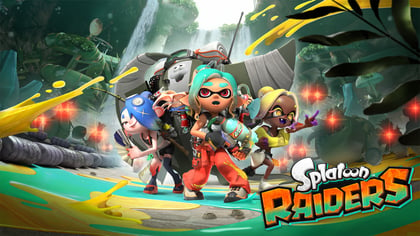
8.2 Two $50 nostalgia plays in 2026: one replays a 25-year-old campaign, the other builds a new co-op loot loop on Splatoon's ink.
8.7 Choose between ARC Raiders' tense PvE extraction and Helldivers 2's chaotic 4-player co-op—each demands a different squad mindset.
8.3 Choose between infantry chaos and squad co-op — one rewards battlefield instincts, the other rewards teamwork.
8.8 Two live-service loot loops diverge: Diablo IV sands down its 2023 rough edges while Helldivers 2 leans into chaos that sheds players.
8.6 Solo crusade or four-player chaos — one demands slow parries, the other rewards loadout mayhem.
8.0 Nightreign is a coop rinse-repeat loop; Helldivers 2 is 75%-positive chaos with 5 patches in 90 days and 10% of its launch peak.
7.3 Pick Helldivers 2 for chaotic team tactics, or High On Life 2 for a shorter, comedy-driven shooter with skateboard traversal.
7.8 Co-op chaos versus solo-friendly team play — pick your squad size and your patience for balance patches.
8.2 A chaotic 4-player co-op bug hunt versus Splatoon's PvE loot raid — which loop you'll actually stick with depends on your platform and patience for churn.
9.1 Choose chaos with friends in Helldivers 2 or curated co-op surprises in Split Fiction — both need a partner, but serve different kinds of fun.
8.1 Chaotic 4-player democracy versus polished 3-player bolter power — pick your co-op fantasy.
9.2 Poker-roguelike ADD versus hex-and-counter strategy — pick your poison based on patience for RNG and session length.
8.9 Olden Era courts nostalgia with PvP-driven balance; Mewgenics rewards the long haul with cat-genetics depth.
8.9 Olden Era revives HOMM3's strategic depth, while Slay the Spire 2 refines a proven deckbuilding formula — pick based on your multiplayer appetite.
8.5 HOMM3 nostalgia versus Clone Wars tactics — Olden Era courts multiplayer grind, Zero Company sells a story.
8.6 Both pitch a comeback for a beloved shooter, but one refines its identity while the other loses its edge.
8.1 Faithful CE remake versus a 12-hour comedy sequel — pick the shooter whose weaknesses you can tolerate.
8.3 Pick Helldivers 2 for chaotic team tactics, or High On Life 2 for a shorter, comedy-driven shooter with skateboard traversal.
8.3 Skateboarding absurdity versus Obsidian satire — pick your comedy, then decide if gunplay or writing matters more.
8.7 Speed, style, and gravity-defying trains versus methodical bug exploration—choose your rhythm.
9.4 Hades II layers witchcraft and crafting onto the run loop; Silksong refines Hollow Knight's pogo combat into a 40-hour map crawl.
9.1 Both are pixel-art action adventures with punishing difficulty, but only one is a 28-hour Metroidvania and the other an 18-hour top-down burrower.
8.7 Two silk-and-steel metroidvanias, but one demands 28 hours and parry-perfect patience while the other wraps up in 17.
 7.7
7.7 Hollow Knight: Silksong's 40-hour odyssey versus Replaced's 11-hour art piece — pick your trade-off between playtime and spectacle.
 8.7
8.7 Two licensed stealth-adventure games with identical 16-hour campaigns and 8.7/10 verdicts — the real choice is Bond's corridor pressure versus Indy's first-person disguise sandboxes.
8.5 A faithful pirate remake versus a first-person Indy adventure — both lean on nostalgia, but they ask for different patience and hardware.
8.0 One gives you a spellcasting power fantasy in a first-person tour of Eora, the other hands you Indy's whip and a disguise-based stealth loop — different fantasies, different patience requirements.
8.5 A first-person stealth adventure with 90% positive Steam reviews versus a faithful remake that runs on nostalgia and UE5 stutter.
8.3 Stealth-puzzle adventure in the Indy universe versus an Obsidian RPG built on companion writing and corporate satire — the choice comes down to whether you want disguise mechanics or party banter.
8.5 Two pirate-and-peasant adventures ask you to pick between faithful comfort and punishing historical simulation.
8.1 Feudal Japan's stealth fantasy versus Bohemia's grounded realism—choose by pacing, not polish.
8.0 Both are 2025 first-person RPGs, but only one rewards your patience with density instead of empty space.
7.9 Vast combat playground or dense medieval simulation — pick Crimson Desert for spectacle, KCD2 for character.
8.7 A mechanic-first sandbox versus a dialogue-heavy simulation — only one rewards patience with 500-hour questlines, while the other trusts you to forgive its quirks.
8.0 KCD2's 55-hour simulation vs Elliot's 16-hour Zelda homage — pick your time commitment and flavor of adventure.
8.2 KCD2's 55-hour main story rewards patient roleplayers; Oblivion's 17-hour nostalgic sprint wins if your time is short.
8.3 Both games serve up sterling RPG writing, but one rewards slow medieval patience while the other races through a satirical galaxy.
9.3 KCD2's grounded medieval sim versus Witcher 3's polished fantasy epic — pick your patience level.
9.4 Tactile PlayStation platforming versus brick-based Batman collecting — the choice depends on whether you want DualSense gimmicks or co-op comic deep cuts.
 9.1
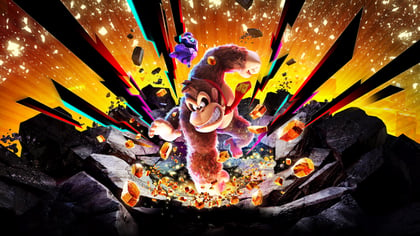
9.1 One is a $70 new-console exclusive built for destruction; the other a $58 licensed romp that asks less time but more DRM tolerance.
9.1 Both are licensed co-op-friendly action adventures, but only one demands a partner — and only one makes you wrestle with DRM.
 7.2
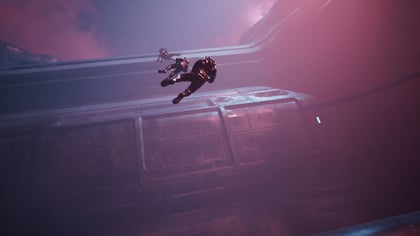
7.2 Max and Chloe's emotional closure versus The Thing's paranoid shapeshifter — one trusts your attachment, the other your suspicion.
 8.8
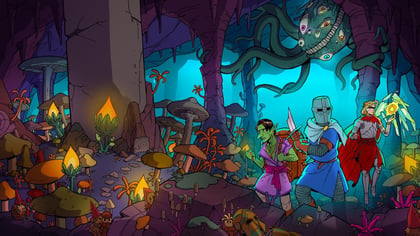
8.8 Disco-Elysium-style text depth versus Max and Chloe's nostalgic farewell — which narrative gamble is worth your evening?
8.5 Max and Chloe's emotional closure versus a vibey 90s mixtape movie — pick your emotional investment level, not your genre.
8.7 Two linear crime stories, but only one could keep most of its players after launch — and that split decides who should play which.
8.5 A faithful pirate remake with ongoing support versus a tightly paced Sicilian mob story — pick by how much time and tolerance for storefront extras you bring.
A 26-hour Cyberpunk sandbox versus a 12-hour Mafia short story — pick your poison.
8.7 FFXVI's spectacle-filled 38-hour saga versus Mafia's tight 12-hour mob origin — choose between epic scale and lean storytelling.
8.5 Faithful remake versus a fresh mob story — both last 12 hours, but one revives a classic while the other cuts open-world fat.
9.2 A tight 12-hour mob drama versus a 16-hour survival-horror remake — pick your brand of linear dread.
8.4 Tight 12-hour mob story versus 24-hour space slog — the real choice is handcrafted drama over procedural sprawl.
8.7 Two extractions shooters let you choose: ARC Raiders' co-op PvE vs Marathon's PvPvE with that Bungie gunfeel.
8.3 Battlefield's 64-player chaos versus Marathon's tactical extraction — one rewards your reflexes, the other your patience.
8.1 A faithful solo remake against a live-service extraction shooter — your choice hinges on whether you value narrative completion or squad-based tension.
8.2 A squad-based extraction shooter with 77% positive reviews versus a PvE looter that rewards co-op on Switch — your platform and tolerance for wipe-driven loss decides this.
8.3 Pick the arcade squad shooter for a 6-hour tour or the free-to-play hero duel for 18 hours of team-ups.
8.3 Co-op chaos versus solo-friendly team play — pick your squad size and your patience for balance patches.
8.1 Both deliver action, but one is a live-service PvP brawler while the other is a co-op power fantasy with a clear endpoint.
8.2 A 38-hour mythological boss rush versus a 22-hour gore-soaked brawler — the choice hinges on whether you want Sekiro homework or a short power fantasy.
8.7 A 40-hour revenge epic versus a 22-hour gore brawler — your patience for repeated structure decides the pick.
8.6 Two 2026 hack-and-slash revivals split on whether you want berserker spectacle or a parry-timing duel — pick by your reaction to repetition and difficulty.
8.1 Wolverine's 22-hour gore brawl versus Stellar Blade's 23-hour parry gauntlet — both ask for precision, but they punish different kinds of impatience.
8.7 Both are stealth-action origin stories, but only one asks you to earn your license through patience rather than nostalgia.
9.0 Choose Kojima's 35-hour odyssey for connection, or Metal Gear's 12-hour stealth classic — one rewards patience, the other polish.
8.7 Tsushima's open-world rhythm versus a 12-hour stealth classic — two 2025 sequels take very different paths.
8.7 A first-person stealth adventure with 90% positive Steam reviews versus a faithful remake that runs on nostalgia and UE5 stutter.
7.4 Faithful remake versus a fresh mob story — both last 12 hours, but one revives a classic while the other cuts open-world fat.
8.6 A faithful remake versus an original twist on swordplay — which one respects your time and reflexes?
7.4 A faithful stealth classic versus a series-dependent remake — only one respects your time and wallet.
9.6 Massive turn-based freedom versus a tight calendar-driven fantasy — both demand 65+ hours, but they reward very different players.
9.2 Expedition 33's 29-hour reactive turn-based drama versus Metaphor's 65-hour calendar-driven fantasy — pick your commitment level.
9.2 Both are 100-hour JRPG epics, but Rebirth demands you loved Remake while Metaphor stands alone as a tighter, more original fantasy.
8.7 Character-action spectacle versus Persona-like RPG depth — pick your fantasy based on combat taste.
8.7 Two Atlus RPGs with 65-hour main stories and calendar time — but Metaphor trusts your class builds, while Persona 3 Reload leans on dungeon grind.
7.4 A 65-hour fantasy class-builder versus a 15-hour Yakuza 3 remake—one asks for a season of calendar management, the other for series homework.
9.2 Choose between Balatro's tight 8-hour poker loop and Mewgenics' sprawling 76-hour cat genetics grind.
9.4 Choose Hades II for a 31-hour action loop with stance-based combat, or Mewgenics for a 76-hour turn-based cat-breeding strategy grind.
8.3 Olden Era courts nostalgia with PvP-driven balance; Mewgenics rewards the long haul with cat-genetics depth.
8.9 Choose Mewgenics for 200+ hours of cat-genetics depth or Slay the Spire 2 for a co-op deckbuilder with a livelier community.
8.5 Choose between a decade-brewed cat-genetics roguelite and a Clone Wars tactics yarn — one trusts you to grind, the other tests your patience.
9.4 Both are mythic action adventures, but one asks for 31 hours of system mastery while the other finishes in 18 with no hand-holding.
9.1 Both are pixel-art action adventures with punishing difficulty, but only one is a 28-hour Metroidvania and the other an 18-hour top-down burrower.
8.7 Two 8-bit and 2.5D action-adventures ask whether you want front-loaded burrow-and-whip punishment or a 15-hour parry-and-juggle metroidvania.
7.7 Both undercut their inspirations with 88% Steam approval, but only one respects your time — the other asks for patience and map-reading.
 8.9
8.9 A vocal co-op test of friendship versus a solo, three-hour 90s mixtape — the choice is whether you want to play with someone or just watch.
7.2 A 3-hour movie with a killer playlist versus an 8-hour paranoid sci-fi drama — choose how much interactivity you can tolerate.
7.3 Max and Chloe's emotional closure versus a vibey 90s mixtape movie — pick your emotional investment level, not your genre.
8.2 Boss-rush mythology versus seamless hunting — one demands Sekiro-level patience, the other just needs a few patches.
8.8 Diablo's loot treadmill versus Monster Hunter's seamless hunts — pick your grind, not your genre.
8.7 Two Capcom RPGs demand your time differently: one trusts you to wander, the other funnels you into hunts.
8.1 One is a polished 16-hour grind, the other a janky 18-hour hunt — choose based on patience for technical flaws.
8.5 Monster Hunter Wilds trades density for seamless open maps, Nioh 3 for combat depth — pick your trade-off.
8.2 Both ask you to die and retry against mythic bosses, but Wukong demands Sekiro-level patience over 38 hours while Mortal Shell II's 79% review score reflects launch bugs.
8.0 Nightreign is a session-based co-op sprint with thin lore; Mortal Shell II is a compact, combat-first Soulslike still being patched.
9.4 A finished, demanding expansion versus a buggy, faster Soulslike — the choice hinges on whether you want a known quantity or a tighter, riskier 26-hour ride.
8.5 Both are punishing action-RPGs, but Mortal Shell II asks you to gamble on an unpatched open world while Nioh 3 bets on 27 hours of refined stance combat.
8.8 Text-first mystery versus cartoon-shooter chaos — both are short, but only one puts dialogue above trigger time.
8.2 Gumshoe chaos against a leafy slow-burn puzzle — your patience budget decides which world wins.
7.7 Cartoon noir shooter versus cinematic platformer — pick your animation style, but expect thin combat from both.
8.7 A 12-hour shooter with cartoon charm versus a 3-hour flow-state glide — pick based on how much time and patience you bring.
8.6 Shoot through 1930s noir chaos or survive your own reflections — pick based on whether you want action or introspection.
8.2 Both deliver punishing boss fights, but Wukong's mythology and spectacle face Nioh 3's mechanically sharpest stance combat.
8.7 Capcom's open-world pawns versus Team Ninja's stanced duels — pick the combat you want to master.
9.4 Choose Erdtree for a hands-off 35-40 more Elden Ring hours; Nioh 3 for sharper combat that demands precise reflexes.
8.9 Monster Hunter Wilds trades density for seamless open maps, Nioh 3 for combat depth — pick your trade-off.
8.3 Both are punishing action-RPGs, but Mortal Shell II asks you to gamble on an unpatched open world while Nioh 3 bets on 27 hours of refined stance combat.
8.6 Nioh 3 expands on stance combat in an open world; Onimusha is a tight parry duel. Choose your patience level.
8.8 Stance-based samurai precision versus evolving ARPG depth — both demand patience, but one resets your progress.
8.1 Sekiro-style parry purity versus Nioh's stance-shifting sprawl — which combat philosophy fits your patience?
8.2 Boss-rush pacing versus parry-duel discipline — both demand mastery, but reward different reflexes.
8.7 Ghost of Yotei broadens Tsushima's open-world revenge, while Onimusha tightens into a parry-driven duelist's challenge.
7.9 Two 2026 hack-and-slash revivals split on whether you want berserker spectacle or a parry-timing duel — pick by your reaction to repetition and difficulty.
8.5 A faithful remake versus an original twist on swordplay — which one respects your time and reflexes?
8.5 Nioh 3 expands on stance combat in an open world; Onimusha is a tight parry duel. Choose your patience level.
8.8 Same creature-collecting loop, wildly different loot philosophy — which grind respects your time?
8.0 Choose Nightreign for tight co-op roguelike bursts; pick Palworld for a sprawling survival sandbox with creature collection.
9.2 Pokémon-style survival crafting versus tightly choreographed horror-action — pick your chaos.
 9.1
9.1 Two very different ways to spend $20: Palworld's live-service survival loop versus Street Fighter 6's polished 1v1 fighting.
8.8 Both punish demons, but one trusts you to grind forever while the other asks for 26 focused hours.
8.7 DD2 demands you forgive its quirks for capstone vocation depth, while PoE2 offers live-service grind but wipes your build each league.
9.4 Shadow of the Erdtree is a dense, opaque expansion for Elden Ring veterans; Path of Exile 2 offers refined ARPG depth but still lacks finality as early access.
7.3 Gothic 1 Remake trades modern polish for a handcrafted hostile world; Path of Exile 2 offers refinement but demands build wipes.
8.5 Stance-based samurai precision versus evolving ARPG depth — both demand patience, but one resets your progress.
9.2 One is a 29-hour directed tragedy; the other is a 65-hour calendar grind — pick the one that fits your schedule and mood.
9.2 A 48-hour open-world adventure with card games versus a 65-hour dungeon crawl with calendar pressure — which grind fits your schedule?
9.3 Two Atlus RPGs with 65-hour main stories and calendar time — but Metaphor trusts your class builds, while Persona 3 Reload leans on dungeon grind.
8.9 Both are 2026 adventure games, but one demands a talking partner while the other asks only for six quiet hours alone.
8.1 Gumshoe chaos against a leafy slow-burn puzzle — your patience budget decides which world wins.
7.7 Hand-painted puzzles versus pixel-art action — both are short indies, but they test different skills and moods.
9.0 Kojima's 35-hour odyssey versus Capcom's 12-hour hack-and-shoot — do you want a pilgrimage or a sprint?
 8.9
8.9 Capcom offers two 2026 action games — one with a hacking twist, one with survival horror — and they test different reflexes.
8.6 A sci-fi shooter with hack-and-shoot focus versus a Japanese horror mystery — pick by atmosphere and tolerance for rough edges.
9.4 Astro Bot's DualSense magic versus Lost Crown's metroidvania flow — pick your platforming poison.
8.7 A breakneck Sonic-meets-Jet Set Radio trickfest versus a deliberate metroidvania — pick your flavor of platforming adrenaline.
9.1 Two silk-and-steel metroidvanias, but one demands 28 hours and parry-perfect patience while the other wraps up in 17.
9.1 Two 8-bit and 2.5D action-adventures ask whether you want front-loaded burrow-and-whip punishment or a 15-hour parry-and-juggle metroidvania.
8.7 Lost Crown's long platforming grind versus Sword of the Sea's short, lyrical glide — pick your pace.
7.8 Bio-medical corridor horror vs grim co-op fairy tale — two short scares, but they reward different kinds of patience.
8.9 Five hours of co-op dread versus eleven hours of survival horror — one trades on atmosphere, the other on craft.
8.6 Five hours of co-op dread versus eleven of solo atmospheric horror — pick the one whose pace matches your weekend.
9.1 Hollow Knight: Silksong's 40-hour odyssey versus Replaced's 11-hour art piece — pick your trade-off between playtime and spectacle.
8.1 Cartoon noir shooter versus cinematic platformer — pick your animation style, but expect thin combat from both.
8.2 Hand-painted puzzles versus pixel-art action — both are short indies, but they test different skills and moods.
8.7 Pixel-art drama vs. airy flow-state gliding — choose between a heavy 11-hour sci-fi tale and a 3-hour ride.
7.8 Corridor horror with bullet scarcity versus action-horror with parry timing — pick by how you want to fight for survival.
8.1 Choose between Techland's 18-hour linear beast-fest or Capcom's 16-hour remake that's 97% loved—one costs less per hour.
7.4 A tight 12-hour mob drama versus a 16-hour survival-horror remake — pick your brand of linear dread.
7.1 Pokémon-style survival crafting versus tightly choreographed horror-action — pick your chaos.
8.9 RE4 Remake's 16-hour campaign versus RE9's 11 — both cap combat depth, but only one asks you to ration bullets from minute one.
8.7 Both remakes polish their classics to near-perfection, but your choice hinges on whether you want action thrills or atmospheric dread.
8.6 Choose RE4 for refined crowd-control action; Silent Hill f for tone-driven horror with weaker combat.
8.7 Resident Evil 4 Remake's 16-hour action horror versus Sword of the Sea's 3-hour art glide — pick your pace.
8.6 Action-horror remake versus sci-fi base-builder — both demand smart decisions, but one trusts you to shoot, the other to manage.
8.6 Capcom offers two 2026 action games — one with a hacking twist, one with survival horror — and they test different reflexes.
8.0 Five hours of co-op dread versus eleven hours of survival horror — one trades on atmosphere, the other on craft.
9.2 RE4 Remake's 16-hour campaign versus RE9's 11 — both cap combat depth, but only one asks you to ration bullets from minute one.
8.7 RE9's resource-scarce action versus SH2's slow psychological dread — both scare you, but they demand opposite patience.
8.6 Both are 11-hour horror campaigns at $2+ per hour, but RE9 pairs shooting with scarcity, while SH f trades combat for atmosphere.
A storied Night City versus a lethal Zone — but one game's patches have clearly outpaced the other's.
8.1 One returns to the horde-dense streets of Harran; the other drags you into the hostile Zone — which survival nightmare fits your patience?
7.7 One is a patched cult classic with 36 hours of survival shooter dread; the other a 28-hour indie Skyrim with crunchier melee and less polish.
8.3 Choose between the Zone's brutal survival sandbox and Obsidian's sharp corporate satire — both are RPG shooters, but they scratch different itches.
7.8 Same studio, same corridor dread — but Silent Hill 2's slower psychological horror outclasses Cronos's horde-shooter combat.
9.2 Both remakes polish their classics to near-perfection, but your choice hinges on whether you want action thrills or atmospheric dread.
8.9 RE9's resource-scarce action versus SH2's slow psychological dread — both scare you, but they demand opposite patience.
8.6 Remake of a 2001 classic versus a fresh 1960s Japan tale — both haunt, but they honor different Silent Hill traditions.
7.8 Prefer Dead Space's corridor dread or Silent Hill's tone-heavy horror? Your patience for rough combat decides.
8.6 A sci-fi shooter with hack-and-shoot focus versus a Japanese horror mystery — pick by atmosphere and tolerance for rough edges.
8.0 Five hours of co-op dread versus eleven of solo atmospheric horror — pick the one whose pace matches your weekend.
9.2 Choose RE4 for refined crowd-control action; Silent Hill f for tone-driven horror with weaker combat.
8.9 Both are 11-hour horror campaigns at $2+ per hour, but RE9 pairs shooting with scarcity, while SH f trades combat for atmosphere.
8.7 Remake of a 2001 classic versus a fresh 1960s Japan tale — both haunt, but they honor different Silent Hill traditions.
9.2 Pick Balatro for a tight, polished roguelike loop; choose Slay the Spire 2 if co-op and fresh cards matter more than polish.
9.4 Two acclaimed roguelikes, but Hades II is a slower, deeper lore dump while Slay the Spire 2 is a fast, co-op card fix — pick by pace.
8.3 Olden Era revives HOMM3's strategic depth, while Slay the Spire 2 refines a proven deckbuilding formula — pick based on your multiplayer appetite.
8.9 Choose Mewgenics for 200+ hours of cat-genetics depth or Slay the Spire 2 for a co-op deckbuilder with a livelier community.
8.5 One is a proven co-op roguelike with a low buy-in; the other is a story-rich tactics game that asks you to tolerate its rough edges.
8.1 Two $50 nostalgia plays in 2026: one replays a 25-year-old campaign, the other builds a new co-op loot loop on Splatoon's ink.
8.3 A chaotic 4-player co-op bug hunt versus Splatoon's PvE loot raid — which loop you'll actually stick with depends on your platform and patience for churn.
8.1 A squad-based extraction shooter with 77% positive reviews versus a PvE looter that rewards co-op on Switch — your platform and tolerance for wipe-driven loss decides this.
8.7 Extraction shooter with adjustable difficulty versus a co-op-only adventure that demands a partner — how much time and who you play with decide the winner.
8.9 Both force you to talk to a partner, but one rewards patience with puzzles while the other throws a new mechanic every ten minutes.
8.3 Choose chaos with friends in Helldivers 2 or curated co-op surprises in Split Fiction — both need a partner, but serve different kinds of fun.
8.4 Both are licensed co-op-friendly action adventures, but only one demands a partner — and only one makes you wrestle with DRM.
9.2 Fast, cheap deck-building runs versus deliberate tactical campaigns — pick your pacing, not your genre.
8.3 HOMM3 nostalgia versus Clone Wars tactics — Olden Era courts multiplayer grind, Zero Company sells a story.
8.9 Choose between a decade-brewed cat-genetics roguelite and a Clone Wars tactics yarn — one trusts you to grind, the other tests your patience.
8.9 One is a proven co-op roguelike with a low buy-in; the other is a story-rich tactics game that asks you to tolerate its rough edges.
8.0 First-person spell flinging versus ship builder sandbox — pick which fantasy you want to live.
Night City's neon storytelling versus Bethesda's endless systems — pick the one that matches how you like to spend 25 hours.
8.0 Parry-driven action versus ship-building freedom — pick your power fantasy before you commit.
8.1 Techland's tight 18-hour thrill ride versus Bethesda's sprawling 24-hour space sim — pick based on whether you crave horde combat or ship engineering.
7.4 Tight 12-hour mob story versus 24-hour space slog — the real choice is handcrafted drama over procedural sprawl.
8.7 Starfield's ship-building sandbox collides with Sword of the Sea's 3-hour meditative glide — choose your fantasy.
7.7 Starfield's sprawling ship-building sandbox versus Tainted Grail's compact, handcrafted dark fantasy—choose between Bethesda's scale and Avalon's grit.
8.6 Space-scale freedom versus a single soul's many selves — picks a fantasy, not a genre.
8.2 Bethesda's space sandbox versus a handcrafted classic — but only one got patched this year.
8.3 Two space RPGs with different priorities — one builds a sandbox of systems, the other writes a sharp satire with better pacing.
8.2 Both demand Sekiro-grade patience, but Wukong's 80+ boss gauntlet dwarfs Stellar Blade's tight 23-hour parry arc.
9.4 One extends a punishing open world; the other tightens into parry-perfect arena fights — both demand mastery, but of different kinds.
8.1 Relink keeps a live endgame grind running with frequent patches, while Stellar Blade trades that for a tighter, offline parry campaign.
7.9 Wolverine's 22-hour gore brawl versus Stellar Blade's 23-hour parry gauntlet — both ask for precision, but they punish different kinds of impatience.
8.5 Sekiro-style parry purity versus Nioh's stance-shifting sprawl — which combat philosophy fits your patience?
 8.6
8.6 Pick Street Fighter 6 for a complete fighting package, or Marvel Tokon for anime-style combat if you can tolerate PC launch jank.
7.1 Two very different ways to spend $20: Palworld's live-service survival loop versus Street Fighter 6's polished 1v1 fighting.
 9.0
9.0 Street Fighter 6 teaches fundamentals with Modern controls; Tekken 8 pushes aggression with its Heat system — choose by how you like to fight.
8.8 Choose between Diablo IV's 26-hour loot grind and Sword of the Sea's three-hour flow state.
8.7 38-hour character-action epic versus 3-hour skateboarding pilgrimage — both ride momentum, but demand very different rhythms.
8.1 A 12-hour shooter with cartoon charm versus a 3-hour flow-state glide — pick based on how much time and patience you bring.
8.7 Lost Crown's long platforming grind versus Sword of the Sea's short, lyrical glide — pick your pace.
7.7 Pixel-art drama vs. airy flow-state gliding — choose between a heavy 11-hour sci-fi tale and a 3-hour ride.
9.2 Resident Evil 4 Remake's 16-hour action horror versus Sword of the Sea's 3-hour art glide — pick your pace.
8.4 Starfield's ship-building sandbox collides with Sword of the Sea's 3-hour meditative glide — choose your fantasy.
A sprawling neon RPG versus a compact grimdark one — your tolerance for budget wobble decides which fits.
8.0 Co-op roguelike bursts versus solo open-world patience — pick your preferred rhythm before you buy.
9.1 Both undercut their inspirations with 88% Steam approval, but only one respects your time — the other asks for patience and map-reading.
7.5 One is a patched cult classic with 36 hours of survival shooter dread; the other a 28-hour indie Skyrim with crunchier melee and less polish.
8.4 Starfield's sprawling ship-building sandbox versus Tainted Grail's compact, handcrafted dark fantasy—choose between Bethesda's scale and Avalon's grit.
8.2 Skyrim-style exploration versus a nostalgic remaster — choose between fresh ambition and proven quests.
9.3 A grim, smaller open world versus the all-time giant of the genre — pick your trade-off between freshness and proven depth.
8.6 One game hands you an unpolished PC port for a Marvel fighter; the other offers a complete 3D battle system with trade-offs.
9.1 Street Fighter 6 teaches fundamentals with Modern controls; Tekken 8 pushes aggression with its Heat system — choose by how you like to fight.
8.0 Two eight-out-of-ten RPGs diverge on world design: Avowed's sparse exploration versus Elliot's dense, puzzle-filled homage — pick by your patience for empty spaces.
8.9 KCD2's 55-hour simulation vs Elliot's 16-hour Zelda homage — pick your time commitment and flavor of adventure.
8.2 A polished 16-hour Zelda-like versus a 17-hour remaster with jank — pick based on whether you value controlled pacing or quest freedom.
8.0 Choose between coordinated co-op survival and solitary moral management, each with distinct time commitments and philosophical cores.
8.7 Action spectacle versus slow-burn survival — pick your poison: Clive's 38-hour revenge or Jan's 19-hour introspection.
8.1 Shoot through 1930s noir chaos or survive your own reflections — pick based on whether you want action or introspection.
9.2 Action-horror remake versus sci-fi base-builder — both demand smart decisions, but one trusts you to shoot, the other to manage.
8.4 Space-scale freedom versus a single soul's many selves — picks a fantasy, not a genre.
8.0 Obsidian's packed first-person RPG versus Bethesda's faithful remaster — pick your flavor of fantasy freedom.
8.7 Two RPGs with very different ideas of freedom — one trusts you to wander into danger, the other lets you default to the main quest.
7.3 One is a janky survival grind; the other is a stable, legacy-comfort remaster. Which fits your patience?
8.9 KCD2's 55-hour main story rewards patient roleplayers; Oblivion's 17-hour nostalgic sprint wins if your time is short.
8.4 Bethesda's space sandbox versus a handcrafted classic — but only one got patched this year.
7.7 Skyrim-style exploration versus a nostalgic remaster — choose between fresh ambition and proven quests.
8.0 A polished 16-hour Zelda-like versus a 17-hour remaster with jank — pick based on whether you value controlled pacing or quest freedom.
8.3 One revives a 20-year-old world with visual polish; the other pushes Obsidian's sharpest writing — the choice hinges on whether you value exploration or dialogue.
8.0 Both dive into Obsidian's worldbuilding, but Avowed's empty maps versus TOW2's sharper satire make for a stark choice.
Night City's neon sprawl versus Obsidian's sharp satire — pick your flavor of RPG chaos.
8.0 BioWare's polished action RPG versus Obsidian's satire-laced shooter — choose between 28 hours of combat-driven heroics and 18 hours of sharp-tongued companions.
7.3 Skateboarding absurdity versus Obsidian satire — pick your comedy, then decide if gunplay or writing matters more.
8.7 Stealth-puzzle adventure in the Indy universe versus an Obsidian RPG built on companion writing and corporate satire — the choice comes down to whether you want disguise mechanics or party banter.
8.9 Both games serve up sterling RPG writing, but one rewards slow medieval patience while the other races through a satirical galaxy.
7.5 Choose between the Zone's brutal survival sandbox and Obsidian's sharp corporate satire — both are RPG shooters, but they scratch different itches.
8.4 Two space RPGs with different priorities — one builds a sandbox of systems, the other writes a sharp satire with better pacing.
8.2 One revives a 20-year-old world with visual polish; the other pushes Obsidian's sharpest writing — the choice hinges on whether you value exploration or dialogue.
9.6 Choose between a sprawling D&D epic and a tighter monster-hunting saga—both are long, but they reward different kinds of commitment.
7.8 A 15-hour corridor shooter versus a 52-hour RPG epic — pick the one that matches your time and patience.
Night City's scripted drama versus Skellige's branching sandbox — both are CDPR epics, but they demand different playstyles.
8.7 A mechanic-first pawn system versus a writing-first open world — both cut deep, but for opposite reasons.
8.9 KCD2's grounded medieval sim versus Witcher 3's polished fantasy epic — pick your patience level.
7.7 A grim, smaller open world versus the all-time giant of the genre — pick your trade-off between freshness and proven depth.
Night City's neon sprawl versus Seattle's blood-soaked corridors — pick a sandbox or a short, linear story.
8.8 Live-service grind versus a dense 16-hour story — both carry a vampire war, but only one respects your time.
8.0 Co-op roguelike chaos versus a narrative vampire RPG — pick based on whether you want shared runs or a story.
8.7 A 38-hour drama versus a 16-hour mood piece: both are action-RPGs, but one demands your patience and the other only your weekend.
8.3 Arcade squad chaos versus PvE horde catharsis — choose your multiplayer loyalty.
8.6 Doom's shield-parry heavy rhythm versus Space Marine 2's horde co-op — two very different power fantasies.
8.3 Chaotic 4-player democracy versus polished 3-player bolter power — pick your co-op fantasy.
7.8 Both deliver action, but one is a live-service PvP brawler while the other is a co-op power fantasy with a clear endpoint.
9.2 A 48-hour open-world recap versus a 15-hour jank remake — pick based on series history, not genre.
8.7 A 40-hour moody revenge epic versus a 15-hour series-closing remake — pick based on whether you're chasing new territory or finishing old business.
8.5 A faithful stealth classic versus a series-dependent remake — only one respects your time and wallet.
9.3 A 65-hour fantasy class-builder versus a 15-hour Yakuza 3 remake—one asks for a season of calendar management, the other for series homework.