Life is Strange: Reunion vs Mixtape
Max and Chloe's emotional closure versus a vibey 90s mixtape movie — pick your emotional investment level, not your genre.
Updated 25d ago
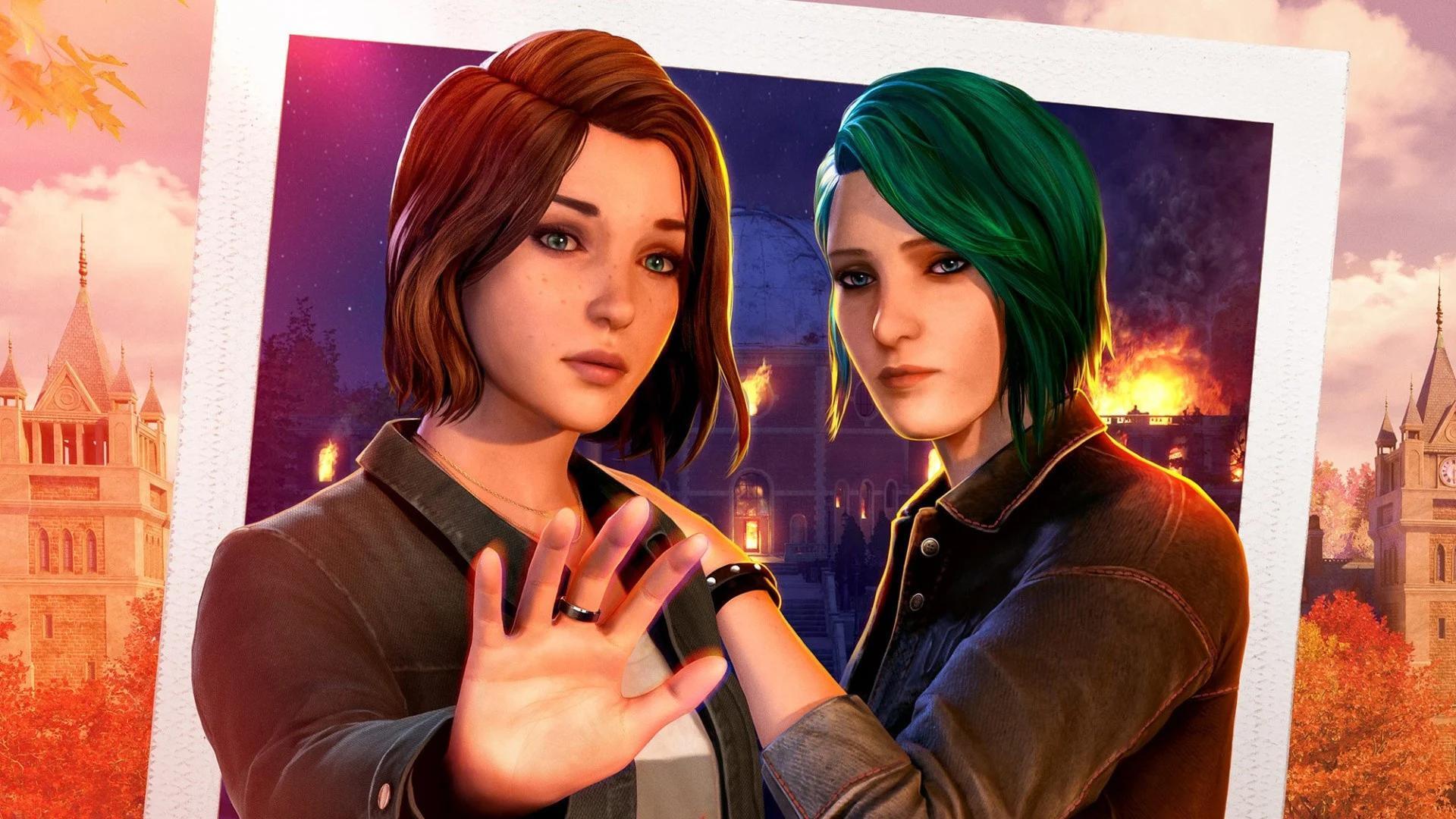
Holds up as Max-and-Chloe closure if you survived Double Exposure's dropped ball — but newcomers should start with the original LiS, not Reunion's nostalgia-leaning sendoff.
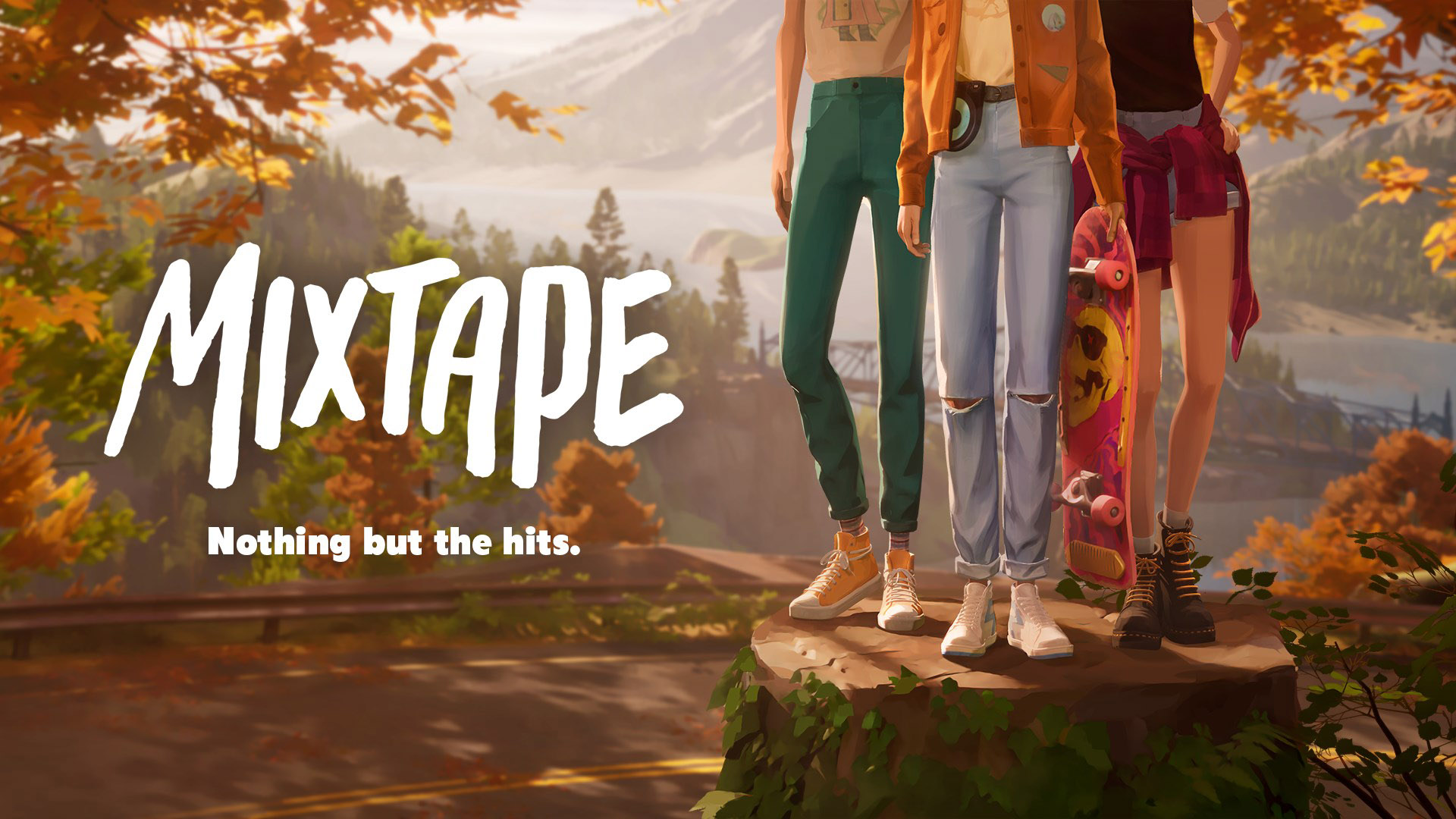
The writing and the 90s playlist are the whole draw — near-zero input and a 3-4 hour runtime make it a movie, so skip this unless the vibe is what you're buying.
By the numbers
Prices checked Sep 12; they move faster than we refresh, so confirm on the store page.
Recent-review figures are Steam's own last-30-days window, read Sep 12.
| Measure | Life is Strange: Reunion | Mixtape |
|---|---|---|
| Value Too close to call | ||
| Price now | $29.99 −25% · Microsoft Store | $12.99 −35% · Fanatical |
| All-time low | $29.99 | $12.60 |
| Cost / hour | $3.14/hr $29.99 · 10 h main story | $4.09/hr $12.99 · 3 h main story |
| Off its low | At its low low was Jun 2026 | +3% low was Sep 2026 |
| Main story | 10 h | 3 h |
| Health | ||
| Steam reviews | 89% 6k reviews | 88% 9k reviews |
| Recent reviews | 87% 127 votes · vs 89% lifetime | 87% 185 votes · vs 88% lifetime |
| Peak players | 281 Aug 2026 · ↓ 23% MoM | 56 Aug 2026 · ↓ 41% MoM |
| Launch peak | — | 3% of May 2026 launch peak · as of Aug 2026 |
| All-time peak | 2,240 Apr 2026 · now at 13% | 2,216 May 2026 |
| Support | ||
| Last patch | 5 months ago | 3 months ago |
| Patch cadence | 0 in last 90 days | 0 in last 90 days |
| Steam Deck | Platinum | Gold |
Shared scale — same months across the bottom, same player-count axis up the side, so the two lines are directly comparable. A shorter line means a younger game.
What players say
Patterns from long-haul reviewers, taken from each game's verdict. Not live sentiment — each side is dated below.
Life is Strange: Reunion
The heartfelt reunion between Max and Chloe provides the closure long-time fans have been waiting for, making it a deeply satisfying continuation of their story.
Repetitive dialogue, especially the overuse of lines like 'I can't believe you are here,' dulls the emotional impact and pacing.
from our May 2026 verdict
Mixtape
The writing and soundtrack are the anchors fans keep returning to, with the 90s vibe and character moments cited as the reason to replay.
The near-absent gameplay and short runtime are the frictions long-time players flag, with many calling it a movie rather than a game.
from our August 2026 verdict
Key differences
Which one is for you?
Pick Life is Strange: Reunion if
- You've followed Max and Chloe since 2015 and want their arc closed.
- You can spare 10 hours and want choices that respond to your input.
- You forgave Double Exposure and want that same writing team to tie it off.
Pick Mixtape if
- You loved Florence or Sayonara Wild Hearts and want another music-led tale.
- You want a single-sitting experience that's mostly listening and watching.
- You're all about 90s nostalgia playlists and teen friendship beats.
Bottom line
If you're new to Life is Strange, start with the original — Reunion is closure for veterans; Mixtape's 3-hour runtime and 88% reviews make it the better pick for a low-commitment, vibe-first evening.